More than 250,000 bariatric surgery procedures are performed annually. Bariatric surgery remains one of the most effective treatment options for severe obesity and obesity-related medical conditions when diet plans, exercise programs, and medicines fail to produce long-term weight loss.
Patients searching for bariatric surgery hospitals in Delhi commonly seek treatment for obesity-related conditions such as type 2 diabetes, high blood pressure, sleep apnea, fatty liver disease, and joint pain. Bariatric surgery helps reduce stomach size or modify the digestive process to limit calorie intake and improve metabolic function.
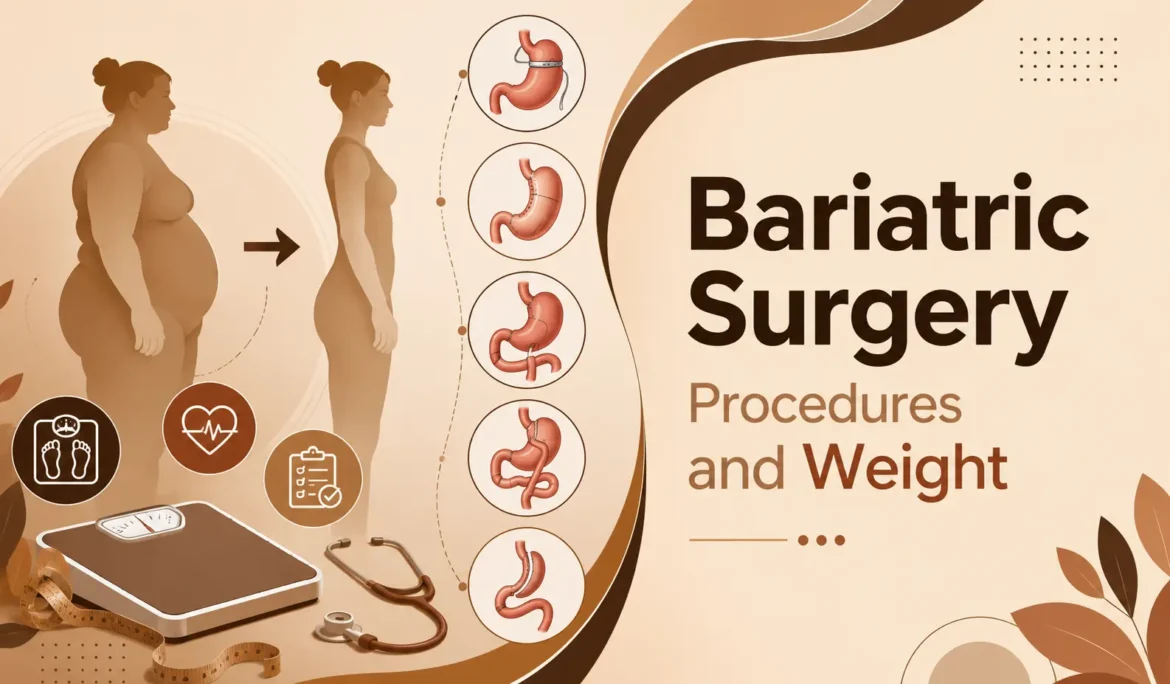
Modern bariatric surgery procedures include sleeve gastrectomy, gastric bypass, mini gastric bypass, and adjustable gastric banding. Research studies show that many patients lose nearly 60–77% of excess body weight within the first year after surgery when they follow structured dietary and rehabilitation programs.
This guide explains what bariatric surgery is, different bariatric surgery procedures types, eligibility criteria, recovery expectations, risks, and the average cost of bariatric surgery in Delhi hospitals.
What Is Bariatric Surgery?
Bariatric surgery is medically recommended for patients with severe obesity when non-surgical weight-loss methods fail to produce long-term results. The procedure helps patients lose weight by reducing stomach capacity, limiting calorie absorption, or modifying the digestive process.
GI Doctors also refer to bariatric surgery as metabolic surgery because it affects hormones involved in hunger control, blood sugar regulation, and metabolism. Many patients experience improvement in obesity-related conditions such as type 2 diabetes, high blood pressure, sleep apnea, fatty liver disease, and joint pain after surgery.
Bariatric surgery mainly focuses on:
- Reducing Food Intake:
Most bariatric surgery procedures reduce stomach size significantly. Patients feel full after eating smaller portions. - Changing Digestive Absorption:
Some procedures bypass portions of the intestine, reducing calorie and nutrient absorption. - Improving Metabolic Function:
Hormonal changes after surgery may improve insulin sensitivity and blood sugar control. - Supporting Long-Term Weight Loss:
Bariatric surgery helps patients maintain weight reduction when combined with dietary changes, physical activity, and medical follow-up.
Common health conditions treated through bariatric surgery include:
- Type 2 diabetes
- Hypertension
- Obstructive sleep apnea
- Fatty liver disease
- High cholesterol
- Severe obesity-related joint pain
Doctors usually evaluate body mass index (BMI), medical history, eating behavior, and obesity-related complications before recommending bariatric surgery operation. Patients searching for bariatric surgery hospitals in Delhi should also understand that surgery requires long-term nutritional monitoring, dietary discipline, and follow-up care after the procedure.
Bariatric Surgery Procedures Types Explained
Sleeve gastrectomy currently remains one of the most commonly performed bariatric surgery procedures worldwide. Different bariatric surgery operation types work through separate mechanisms to support weight loss, reduce calorie absorption, and improve obesity-related metabolic disorders. Common bariatric surgery procedures types include:
1. Sleeve Gastrectomy
Sleeve gastrectomy removes nearly 80% of the stomach, creating a smaller tube-shaped stomach pouch. Patients feel full faster and consume significantly smaller meals after surgery.
Key points:
- Restricts food intake
- Reduces hunger hormone production
- Commonly performed laparoscopically
- Shorter surgery duration compared to gastric bypass
- Significant weight-loss results within 12–18 months
2. Gastric Bypass Surgery
Gastric bypass creates a small stomach pouch and reroutes part of the small intestine. The procedure reduces both food intake and calorie absorption.
Key points:
- Supports rapid weight loss
- Improves type 2 diabetes control
- Alters digestive absorption
- Requires long-term vitamin supplementation
- Common option for severe obesity and metabolic disease
3. Mini Gastric Bypass
Mini gastric bypass uses a simpler intestinal bypass technique compared to traditional gastric bypass surgery. The procedure combines stomach restriction with reduced calorie absorption.
Key points:
- Shorter operating time
- Lower technical complexity
- Effective weight-loss outcomes
- Commonly recommended for selected obesity patients
- Requires nutritional monitoring after surgery
4. Adjustable Gastric Banding
Adjustable gastric banding places a silicone band around the upper stomach to restrict food intake gradually. Surgeons can tighten or loosen the band based on patient progress.
Key points:
- Reversible procedure
- Lower surgical alteration of digestive anatomy
- Slower weight-loss results
- Requires regular follow-up adjustments
- Less commonly performed today
BMI Eligibility for Bariatric Surgery
Bariatric surgery is commonly recommended for patients with a Body Mass Index (BMI) of 40 or higher, or BMI above 35 with obesity-related medical conditions. Doctors use BMI calculations, medical history, metabolic health, and previous weight-loss attempts to determine whether bariatric surgery remains medically appropriate.
Patients searching for bariatric surgery hospitals in Delhi often undergo detailed obesity evaluation before surgery approval. Bariatric specialists assess diabetes status, heart health, sleep disorders, liver function, eating behavior, and hormonal conditions before selecting treatment plans.
Doctors generally recommend bariatric surgery for patients with:
- BMI Above 40:
Patients with severe obesity and long-term unsuccessful weight-loss attempts may qualify directly for bariatric surgery operation. - BMI Above 35 With Medical Conditions:
Patients with obesity-related complications such as diabetes, hypertension, sleep apnea, or fatty liver disease may qualify even with slightly lower BMI levels. - Type 2 Diabetes and Metabolic Disorders:
Bariatric surgery may improve blood sugar regulation and insulin sensitivity significantly in selected patients. - Obesity-Related Joint Problems:
Excess body weight can worsen knee pain, spine stress, mobility limitations, and orthopedic complications.
Pre-Surgery Evaluation Before Bariatric Surgery Operation
Most bariatric surgery hospitals in Delhi conduct multiple investigations before surgery approval.
Common pre-operative assessments include:
- BMI and body composition analysis
- Blood sugar and thyroid tests
- Liver function evaluation
- Cardiac assessment
- Sleep apnea screening
- Nutritional deficiency testing
- Psychological counseling and eating behavior assessment
Doctors also evaluate whether patients can follow long-term dietary restrictions, nutritional supplementation, and follow-up programs after surgery. Bariatric surgery requires permanent lifestyle adjustments and regular medical monitoring after the procedure.
Cost of Bariatric Surgery in Delhi Hospitals
Bariatric surgery operation cost in Delhi commonly ranges between ₹2,50,000 and ₹7,00,000 depending on the procedure type, hospital category, surgeon expertise, and post-operative care requirements. Laparoscopic and robotic-assisted bariatric surgery procedures usually cost more because of advanced surgical technology and specialized infrastructure.
Major factors affecting bariatric surgery operation cost include:
- Type of Bariatric Procedure:
Sleeve gastrectomy generally costs less than gastric bypass surgery because of shorter operating time and reduced surgical complexity. - Hospital Infrastructure:
Multi-specialty hospitals with advanced laparoscopic systems, ICU facilities, and bariatric-specific surgical teams usually charge higher treatment fees. - Surgeon Experience:
Highly experienced bariatric surgeons in Delhi may charge higher professional fees because of specialized obesity surgery expertise. - Laparoscopic or Robotic Technology:
Minimally invasive procedures commonly increase surgical costs but may support shorter hospital stay and faster recovery. - Room Category and Hospital Stay:
Private rooms, extended hospitalization, and intensive nursing support contribute to overall surgery cost. - Nutritional and Psychological Support:
Many bariatric surgery hospitals include dietitian consultations, psychological counseling, and long-term follow-up programs within package pricing.
Average Bariatric Surgery Cost by Procedure Type
Estimated bariatric surgery cost in Delhi hospitals:
- Sleeve Gastrectomy: ₹2,50,000 – ₹4,50,000
- Gastric Bypass Surgery: ₹3,50,000 – ₹6,00,000
- Mini Gastric Bypass: ₹3,00,000 – ₹5,50,000
- Adjustable Gastric Banding: ₹2,00,000 – ₹4,00,000
What Patients Should Confirm Before Surgery
Patients searching for bariatric surgery near me should ask hospitals whether quoted pricing includes:
- Surgeon and anesthesia charges
- ICU and room expenses
- Medicines and consumables
- Dietitian consultations
- Post-surgery follow-up visits
- Nutritional supplements
- Emergency complication management
Recovery Timeline After Bariatric Surgery Operation
Most patients stay in the hospital for 1–3 days after laparoscopic bariatric surgery procedures. Recovery timelines depend on procedure type, obesity severity, existing medical conditions, and post-operative dietary compliance. Typical recovery stages after bariatric surgery operation include:
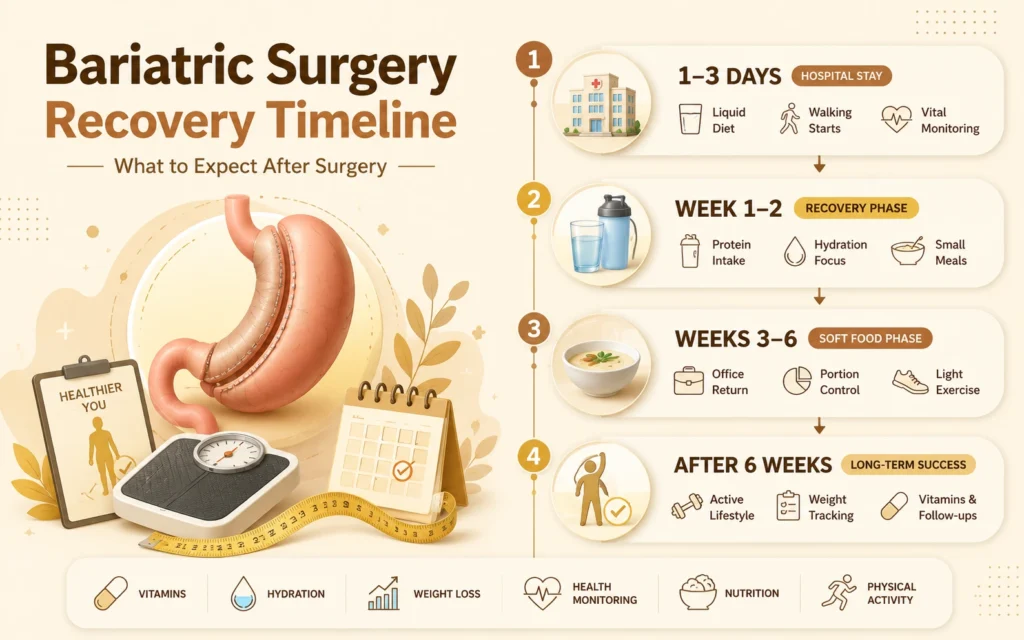
First 24–72 Hours After Surgery
Patients usually begin with liquid intake under medical supervision. Walking and breathing exercises start early to reduce surgical complications.
Doctors commonly monitor:
- Pain levels
- Nausea or vomiting
- Fluid intake
- Heart rate and blood pressure
- Surgical wound condition
First 2 Weeks
Most patients remain on a liquid or semi-liquid diet during the initial recovery period. Nutritional intake focuses on hydration, protein supplementation, and controlled calorie intake.
Common dietary recommendations include:
- Sugar-free liquids
- Protein shakes
- Clear soups
- Electrolyte fluids
- Small frequent meals
Weeks 3–6
Soft foods gradually replace liquid diets during this phase. Many patients return to office-based work within 2–4 weeks depending on recovery progress and physical activity requirements.
Patients usually continue:
- Dietitian follow-up visits
- Portion control training
- Light walking exercises
- Vitamin supplementation
- Hydration monitoring
After 6 Weeks
Many patients resume regular daily activities with structured dietary adjustments. Doctors gradually allow increased physical activity based on weight loss progress and overall recovery condition.
Long-term recovery after bariatric surgery also requires:
- Regular nutritional testing
- Vitamin and mineral supplementation
- Blood sugar monitoring
- Weight-loss tracking
- Lifestyle modification programs
Risks and Complication Rates After Bariatric Surgery
Serious complication rates after bariatric surgery generally remain below 5% in experienced surgical centers. Modern laparoscopic bariatric surgery procedures reduced hospital stay duration, infection rates, and recovery complications significantly compared to traditional open surgery techniques.
Common risks associated with bariatric surgery include:
- Nutritional Deficiencies:
Gastric bypass and malabsorptive procedures may reduce vitamin and mineral absorption. Patients often require long-term supplementation for iron, calcium, vitamin B12, and vitamin D. - Leakage From Surgical Staple Lines:
Leakage from stomach or intestinal connections remains a serious but uncommon complication requiring immediate medical management. - Infection Risk:
Surgical wound infection, abdominal infection, and urinary infection may occur after bariatric surgery operation, especially in patients with diabetes. - Vomiting and Acid Reflux:
Rapid eating, overeating, or poor dietary compliance may trigger vomiting, nausea, bloating, or acid reflux symptoms after surgery. - Blood Clots:
Obesity increases clotting risk after surgery. Early walking, blood-thinning medicines, and compression devices help reduce this complication.
More than 60–77% excess body weight loss can occur within the first year after bariatric surgery when patients follow structured dietary and medical programs. Bariatric surgery remains one of the most effective treatment options for severe obesity and obesity-related conditions
Modern bariatric surgery procedures including sleeve gastrectomy, gastric bypass, and mini gastric bypass provide long-term weight-management support when combined with nutritional counseling, physical activity, and regular medical monitoring. Procedure selection depends on BMI, metabolic health, obesity severity, and long-term treatment goals.
Patients considering bariatric surgery in Delhi should consult Primus Hospitals for obesity evaluation, metabolic assessment, and bariatric surgery treatment planning. The bariatric surgery team evaluates BMI levels, obesity-related medical conditions, surgical eligibility, and long-term weight-management goals before recommending treatment.