










Primary focal hyperhidrosis commonly affects 1–2 body areas, including the palms, underarms, feet, or face, according to the American Academy of Dermatology.
Hyperhidrosis causes excessive sweating beyond what the body needs for temperature regulation. Persistent sweating can affect everyday activities, particularly when it involves the hands.
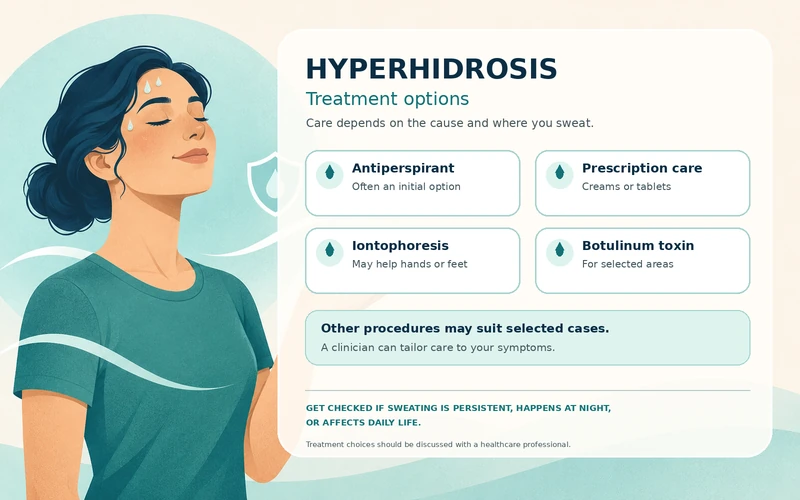
Hyperhidrosis treatment in Delhi includes prescription antiperspirants, iontophoresis, botulinum toxin injections, and selected oral medicines. Patients with severe, treatment-resistant palmar hyperhidrosis may require evaluation at a thoracic surgery hospital in Delhi.
Endoscopic thoracic sympathectomy (ETS) offers a surgical option for selected patients, but it carries risks, including compensatory sweating.
What Is Hyperhidrosis? Types and Diagnosis in Delhi
Hyperhidrosis causes excessive sweating beyond the body’s temperature-regulation needs. Doctors classify it into two main types.
Primary Focal Hyperhidrosis
Primary focal hyperhidrosis commonly affects 1–2 body areas, including the palms, underarms, feet, or face. Symptoms often begin during childhood or adolescence. Sweating typically affects both sides of the body and occurs without an identifiable underlying disease.
Secondary Hyperhidrosis
Secondary hyperhidrosis develops due to medical conditions or certain medicines. It may affect larger body areas and occur during sleep.
Hyperhidrosis Diagnosis in Delhi
Consult a dermatologist in Delhi for persistent excessive sweating. The doctor evaluates symptom duration, affected areas, medical history, and medication use. Additional tests may help identify underlying causes.
Symptoms of Hyperhidrosis: Excessive Sweating in Delhi Patients
Hyperhidrosis causes excessive sweating even without heat or physical activity. Common symptoms include:
- Sweaty palms: Persistent hand sweating that makes gripping objects or handling paper difficult.
- Excessive underarm sweating: Frequent moisture and visible sweat patches on clothing.
- Sweaty feet: Damp socks, uncomfortable footwear, and possible skin irritation.
- Facial sweating: Excessive perspiration affecting the forehead, scalp, or face.
- Bilateral sweating: Primary focal hyperhidrosis often affects both sides of the body.
When Does Excessive Sweating Require Medical Evaluation?
Seek medical assessment if excessive sweating persists for 6 months, occurs at least once weekly, or interferes with daily activities.
Consult a doctor promptly for sudden unexplained sweating or sweating during sleep. These symptoms may indicate an underlying medical condition.
Causes of Hyperhidrosis and Excessive Sweating in Delhi
Hyperhidrosis has 2 main types, each with different causes.
Causes of Primary Hyperhidrosis
Primary hyperhidrosis occurs when the nervous system activates sweat glands excessively without an identifiable underlying disease. It commonly affects the palms, underarms, feet, and face. Family history may contribute to this condition.
Medical Causes of Secondary Hyperhidrosis
Secondary hyperhidrosis develops due to underlying health conditions or medications. Common causes include:
- Overactive thyroid (hyperthyroidism).
- Diabetes and episodes of low blood sugar.
- Certain infections.
- Medication-related side effects.
- Hormonal changes, including menopause.
Common Sweating Triggers
Heat, humidity, emotional stress, physical activity, and spicy foods can trigger sweating.
Consult a dermatologist in Delhi if excessive sweating begins suddenly, occurs during sleep, or affects the entire body.
Home Remedies and Natural Remedies for Hyperhidrosis in Delhi
Manage excessive sweating at home by identifying triggers, maintaining skin hygiene, and using suitable antiperspirants. These measures help control moisture but do not cure hyperhidrosis.
Home Remedies for Excessive Sweating
Follow these dermatologist-recommended measures:
- Use antiperspirants: Apply an appropriate antiperspirant to clean, dry skin according to product instructions.
- Identify triggers: Track sweating episodes associated with heat, stress, caffeine, or spicy foods.
- Wear breathable clothing: Select loose-fitting fabrics that allow airflow.
- Change socks regularly: Replace moisture-absorbing socks at least twice daily when excessive foot sweating occurs.
- Rotate footwear: Avoid wearing the same shoes on 2 consecutive days to allow them to dry.
Can Natural Remedies Treat Hyperhidrosis?
Do not rely on lemon juice, baking soda, or herbal preparations as proven hyperhidrosis treatments. Validated medical sources do not establish their effectiveness.
When Are Home Remedies Insufficient?
Consult a dermatologist in Delhi when excessive sweating disrupts daily activities despite self-care measures. Medical treatment options include prescription antiperspirants, iontophoresis, and botulinum toxin injections.
Non-Surgical Hyperhidrosis Treatment Options in Delhi
Dermatologists use 4 main non-surgical approaches to manage excessive sweating. Treatment depends on the affected area, symptom severity, and medical history.
1. Prescription Antiperspirants
Apply aluminium chloride-based antiperspirants as directed by a dermatologist. These products temporarily block sweat ducts. Maintenance treatment may require 1–2 applications weekly. Skin irritation can occur.
2. Iontophoresis
Iontophoresis uses a mild electrical current through water to reduce hand and foot sweating. Sessions typically last 20–30 minutes. Patients often notice reduced sweating after 5–10 treatments.
3. Botulinum Toxin Injections
Botulinum toxin injections temporarily block nerve signals that activate sweat glands. Patients generally notice results within 7–10 days. Effects in the hands or underarms may last 3–10 months.
4. Oral Medicines
Doctors may prescribe anticholinergic medicines to reduce sweating. Possible side effects include dry mouth, blurred vision, and constipation.
Consult a dermatologist for hyperhidrosis treatment in Delhi before starting prescription medicines or undergoing medical procedures.
Hyperhidrosis Hand Treatment in Delhi
Palmar hyperhidrosis causes excessive sweating of the hands, even without heat or physical activity. Persistent sweating can interfere with writing, gripping objects, and handling electronic devices.
Medical Treatment for Sweaty Hands
Dermatologists recommend treatment based on symptom severity and previous treatment response.
- Prescription antiperspirants: Aluminium chloride preparations help reduce sweat production.
- Iontophoresis: This treatment uses a mild electrical current through water. Initial sessions may occur every 2–5 days, with reduced sweating often appearing after 5–10 treatments.
- Botulinum toxin injections: Injections temporarily reduce sweating by blocking nerve signals to sweat glands.
- Oral medicines: Selected anticholinergic medicines reduce sweating but may cause side effects.
When Is Surgery Considered?
Consult a thoracic surgeon in Delhi if severe palmar hyperhidrosis persists despite appropriate non-surgical treatment. Surgical assessment must include a discussion of potential complications, particularly compensatory sweating.
Thoracic Surgery for Hyperhidrosis in Delhi: ETS Procedure and Risks
Endoscopic thoracic sympathectomy (ETS) targets sympathetic nerves that control sweating. Thoracic surgeons may consider this procedure for selected patients with severe, treatment-resistant palmar hyperhidrosis.
What Is Endoscopic Thoracic Sympathectomy?
During ETS, a thoracic surgeon makes small chest incisions and inserts a camera and surgical instruments. The surgeon interrupts specific sympathetic nerve pathways to reduce sweating in the targeted area.
When Is Thoracic Surgery Considered?
Consult a thoracic surgeon in Delhi when severe hand sweating persists despite appropriate non-surgical treatment.
Before recommending ETS, the surgeon should assess:
- The severity and location of sweating.
- Previous treatment attempts.
- Possible secondary causes.
- The patient’s understanding of surgical risks.
Risks of Hyperhidrosis Surgery
Compensatory sweating is a significant concern after ETS. Patients may develop increased sweating in other body areas, including the back, abdomen, or legs.
Other risks include pneumothorax, nerve injury, persistent symptoms, and recurrence. Some surgical effects may be irreversible.
Recovery After Thoracic Sympathectomy
Follow the surgeon’s postoperative instructions regarding wound care, physical activity, and follow-up appointments. Recovery requirements depend on the procedure and individual clinical circumstances.
When to Visit a Hyperhidrosis Treatment Hospital in Delhi
Consult a dermatologist in Delhi when excessive sweating persists for 6 months, occurs weekly, or interferes with daily activities.
Dermatologist Consultation in Delhi
A dermatologist evaluates sweating patterns, medical history, and previous treatments. The doctor may recommend prescription antiperspirants, iontophoresis, botulinum toxin injections, or oral medicines.
Thoracic Surgeon Consultation in Delhi
Seek assessment at a thoracic surgery hospital in Delhi if severe palmar hyperhidrosis persists despite appropriate non-surgical treatment.
Clinical Assessment Before Surgery
Discuss previous treatment responses, possible underlying conditions, surgical eligibility, and the risk of compensatory sweating before considering endoscopic thoracic sympathectomy.
Hyperhidrosis Consultation and Treatment Assessment in Delhi
Consult a qualified dermatologist in Delhi for persistent excessive sweating. Discuss available treatments and previous treatment responses. For severe, treatment-resistant hand sweating, seek assessment at a Primus hospital in Delhi. Review surgical eligibility, potential complications, and compensatory sweating before considering ETS.