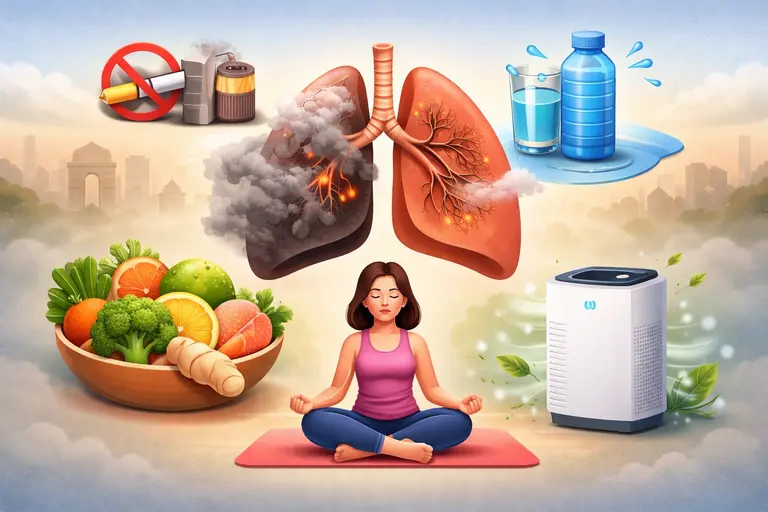
Delhi records some of the highest air pollution levels in India, and exposure to polluted air can irritate the lungs, trigger inflammation, and worsen breathing problems such as asthma and chronic bronchitis.
In a city where AQI frequently rises to hazardous levels, lung care is not optional. It is essential.
A lung specialist from a Pulmonology Hospital in Delhi explains that the lungs already have a natural detox system. Tiny hair-like structures called cilia remove mucus and trapped particles. However, constant exposure to pollution, smoking, dust, and infections can overload this system. When that happens, people experience cough, chest tightness, breathlessness, and excess mucus.
There is no scientific proof that a single “lung detox drink” can reverse lung damage. However, evidence supports that anti-inflammatory foods, proper hydration, breathing exercises, and smoking cessation help improve lung function and reduce irritation.
If you live in Delhi and want medically sound advice instead of social media myths, this guide presents evidence-based steps explained by lung specialists.
How Air Pollution and Smoking Damage Lungs in Delhi
Delhi’s air pollution contains high levels of particulate matter (PM2.5), which can enter deep into the lungs and trigger inflammation. Exposure to polluted air irritates the respiratory tract and increases the risk of asthma flare-ups, cough, and breathing difficulty.
When polluted air enters the lungs, it affects the cilia — tiny hair-like structures that clear mucus and trapped toxins. Continuous exposure slows their movement. As a result, mucus builds up, and toxins stay longer inside the airways. This increases infection risk and airway irritation.
Smoking causes even more direct damage. Tobacco smoke contains thousands of chemicals that inflame lung tissue and damage air sacs (alveoli). Over time, this reduces oxygen exchange capacity. Antioxidants in foods may support repair processes, but they cannot reverse structural lung damage caused by smoking.
Lung detox is not about “flushing” lungs like a juice cleanse. The lungs detox naturally through:
- Cough reflex
- Mucus clearance
- Liver-assisted toxin metabolism
- Oxygen exchange mechanisms
However, this system weakens when exposure continues daily — especially in high-pollution cities like Delhi.
For smokers, quitting smoking remains the most critical step. Dietary detox is ineffective without stopping tobacco exposure. No juice or herb can counteract ongoing smoke damage.
Foods for Lung Detox Recommended by a Pulmonology Specialist in Delhi
There is no reliable scientific evidence that any food can “clean” lungs instantly. However, research-backed nutrients reduce inflammation, support immunity, and protect lung tissue from oxidative stress. In a high-pollution city like Delhi, this support becomes important.
1. Cruciferous Vegetables (Broccoli, Cauliflower, Kale)
Cruciferous vegetables contain sulfur compounds and antioxidants that support detoxification pathways and reduce inflammation in the body. Add:
- 1 bowl steamed broccoli or cauliflower
- Cabbage in sabzi or salad
- Kale or mustard greens in soups
These vegetables help the body manage oxidative stress caused by pollution exposure.
2. Ginger for Airway Inflammation
Ginger’s strong anti-inflammatory properties. Gingerols reduce airway irritation and may ease mild congestion.
- Add fresh ginger to warm water
- Use grated ginger in dal or vegetable dishes
- Prepare ginger tea once daily
This supports respiratory comfort, especially during seasonal pollution spikes in Delhi.
3. Turmeric (Curcumin Support)
Turmeric contains curcumin, a compound known for antioxidant and anti-inflammatory effects. Try:
- ½ teaspoon turmeric in warm milk
- Turmeric in daily cooking
- Combine with black pepper to improve absorption
Turmeric supports lung tissue protection from inflammatory stress.
4. Citrus Fruits (Vitamin C Support)
Citrus fruits such as oranges and lemons provide vitamin C, which supports immune defense and tissue repair. Add:
- 1 orange
- Lemon in warm water
- Amla during winter
Vitamin C helps counter oxidative stress linked to air pollution.
5. Green Tea (Catechin Antioxidants)
Green tea contains catechins, antioxidants that reduce oxidative damage in lung tissue.
- Take 1–2 cups daily
- Avoid excess sugar
Green tea supports overall respiratory health but does not replace medical treatment.
6. Garlic (Allicin Compounds)
Garlic contains allicin, known for antimicrobial and anti-inflammatory properties.
- Add 1–2 crushed cloves in cooking
- Also try raw garlic in chutney if tolerated
Garlic supports respiratory immune defense.
7. Beetroot and Carrot (Oxygen Support Nutrients)
Beetroot and carrot contain antioxidants and nitrates that improve oxygen delivery. Doctor’s recommend:
- Fresh beetroot-carrot juice (unsweetened)
- Include 2–3 times weekly
These nutrients support circulation and oxygen transport.
Lung Detox Drinks and Lung Detox Juice Suggested by a Pulmonology Doctor in Delhi
There is no reliable scientific proof that any drink can “flush toxins” directly from the lungs. However, hydration helps thin mucus and improves airway clearance. Thin mucus moves out of the lungs more easily through natural coughing mechanisms.
1. Lemon, Honey and Ginger Drink
Lemon provides vitamin C, ginger reduces inflammation, and honey soothes the throat.
How to prepare:
- 1 glass warm water
- Juice of half a lemon
- 1 teaspoon honey
- Small piece crushed ginger
Drink once daily in the morning.
This supports immunity and reduces throat irritation during high pollution days in Delhi.
2. Green Tea for Antioxidant Support
Green tea contains catechins that reduce oxidative stress in lung tissue.
Recommended intake:
- 1–2 cups daily
- Avoid excess sugar
Antioxidants help counter pollution-related inflammation.
3. Beetroot and Carrot Lung Detox Juice
Beetroot and carrot provide antioxidants and nitrates that support oxygen delivery.
Preparation:
- 1 small beetroot
- 1 carrot
- Small piece ginger
- Blend without added sugar
Consume 2–3 times weekly.
4. Pineapple and Cucumber Drink
Pineapple contains bromelain, which may help reduce inflammation. Add the following for a healthy drink:
- Fresh pineapple chunks
- Cucumber slices
- Mint leaves
- Water
5. Peppermint Tea for Airway Relaxation
Menthol in peppermint may relax airway muscles and ease breathing.
- Steep fresh peppermint leaves in hot water
- Drink once daily
Lung Detox for Smokers in Delhi
For smokers, diet alone is insufficient. Quitting smoking is essential before any detox strategy becomes effective.
Antioxidant-rich foods such as broccoli, black grapes, and moringa may help support cellular repair. However:
- No reliable evidence shows juices reverse smoking damage.
- Continued tobacco exposure cancels dietary benefits.
A pulmonology doctor in Delhi advises smokers to:
- Stop smoking completely
- Increase hydration
- Eat anti-inflammatory foods
- Seek lung function testing (PFT) if symptoms persist
Supportive drinks improve comfort. They do not reverse structural lung injury.
Daily Habits Recommended by a Pulmonology Hospital in Delhi for Long-Term Lung Health
There is no reliable scientific evidence that detox plans alone restore damaged lungs. Long-term lung protection requires daily exposure control and respiratory strengthening. You should do this:
1. Stop Smoking Completely
Lung detox strategies are ineffective if tobacco exposure continues. Smoking damages air sacs and reduces oxygen exchange capacity.
- Quit active smoking
- Avoid second-hand smoke
- Seek medical support if required
2. Improve Indoor Air Quality in Delhi Homes
In Delhi, indoor exposure often adds to outdoor pollution. It is strongly advised to reduce indoor pollution
- Use HEPA air purifiers
- Avoid incense sticks and mosquito coils
- Ensure proper ventilation
- Clean dust regularly
3. Maintain Adequate Hydration
Hydration helps thin mucus and supports natural airway clearance.
- Drink adequate water daily
- Include herbal teas
- Avoid excess caffeine
Thin mucus moves out more efficiently through coughing and ciliary motion.
4. Practice Deep Breathing Exercises
Breathing exercises strengthen lungs and improve capacity over time. Try:
- Diaphragmatic breathing
- Pranayama
- Pursed-lip breathing
- Practice 10–15 minutes daily.
Regular breathing exercises improve oxygen efficiency and reduce breathlessness in mild cases.
5. Exercise to Improve Lung Capacity
Consistent physical activity improves cardiovascular and respiratory endurance.
- Brisk walking 30 minutes daily
- Avoid outdoor exercise during high AQI days
- Choose indoor exercise when pollution levels rise
Delhi’s high pollution levels increase respiratory stress and inflammation. Supporting lung health requires a structured approach.
There is no reliable scientific evidence that a single lung detox juice or drink reverses lung damage. However, consistent lifestyle changes improve respiratory resilience and reduce inflammation.
If you experience ongoing breathing difficulty, consult a Pulmonology doctor in Delhi at Primus Hospital for clinical evaluation and personalized treatment.