If you’ve been dealing with bladder pain that doesn’t really make sense, you’re probably tired in a way that’s hard to explain. Not just physical tired, but mentally worn out. You go for tests, reports come back “normal,” and yet the discomfort doesn’t leave. You’re told it might be stress, anxiety, or another infection. Antibiotics come and go.
This is often the point where doctors start mentioning something called interstitial cystitis. And hearing that name can feel overwhelming, especially when you’re already frustrated.
Painful Bladder Syndrome, as it’s also known, doesn’t always show itself clearly on routine tests. That’s what makes it confusing. But the pain is real, and understanding what’s happening inside your body is the first real step toward relief especially if you’re looking for proper evaluation at a reliable Renal hospital in Delhi.
What is interstitial cystitis or Bladder Pain Syndrome?
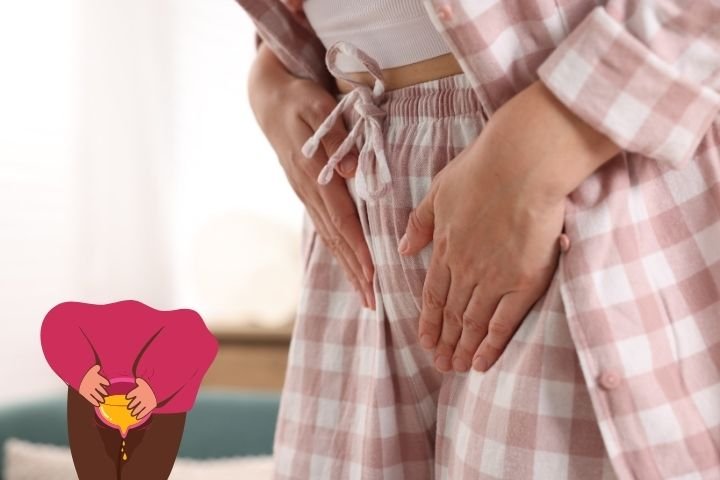
Interstitial cystitis means your bladder is irritated or sensitive even though there’s no infection, stone, or obvious blockage. Your bladder lining is damaged or inflamed. The nerves around it are overreacting. So when your bladder fills, even a little, you feel pain, pressure, or a constant urge to use the washroom.
This is why tests don’t always explain your symptoms. Nothing obvious shows up, but the discomfort doesn’t stop. That doesn’t mean it’s “in your head.” It means the issue is subtle and deeper.
If you’ve heard people ask about interstitial cystitis in Hindi, it’s often explained as bina infection ke bladder ka dard, a painful bladder condition without infection.
Why painful bladder syndrome is diagnosed late?
One of the hardest parts of this condition is how long it takes to name it. The symptoms overlap with so many other problems UTIs, pelvic infections, prostate issues in men, even gynecological conditions in women.
So you may spend months, sometimes years, going from one treatment to another. This is why getting assessed at an experienced Urology hospital in Delhi or a specialised Nephrology hospital in Delhi matters. Doctors who see these cases regularly are more likely to recognise the pattern early.
Symptoms of Painful Bladder Syndrome or interstitial cystitis
Common signs include:
- A constant pressure or pain in the bladder area
- Relief after urinating, but only for a short while
- Needing to urinate again and again, even when little comes out
- Discomfort during intimacy
- Flares during stress, travel, or after certain foods
These interstitial cystitis symptoms often come in waves. You might feel almost fine for weeks, then suddenly struggle again. That cycle can take a toll emotionally, not just physically.
What are the causes of interstitial cystitis?
There isn’t one clear cause, and that’s the honest truth. Research points to multiple factors working together.
Possible contributors include damage to the bladder’s protective layer, overly sensitive nerves, immune reactions, hormonal influences, or even past infections that changed how your bladder responds.
Because the condition can involve more than one system, treatment works best when care is coordinated. That’s why patients often benefit from visiting a Best kidney hospital in Delhi where urologists, nephrologists, pain specialists, and physiotherapists work together.
How doctors reach a diagnosis
Your doctor will want to know how long the pain has been there, what makes it better or worse, and what treatments you’ve already tried. Urine tests, ultrasounds, and sometimes cystoscopy are used, not to “prove” interstitial cystitis, but to rule out other causes.
Treatment of interstitial cystitis in Delhi
Treatment is usually gradual and personalised. It may include dietary changes, medications to calm inflammation or nerve sensitivity, bladder therapies, and pelvic floor physiotherapy. Stress management often plays a bigger role than people expect.
If you’re looking into interstitial cystitis treatment in Delhi NCR, be cautious of places that promise instant fixes. This condition improves with patience and consistent care.
Daily habits make more difference than you think
Food can be a silent trigger. Coffee, citrus fruits, spicy foods, alcohol, and artificial sweeteners often make symptoms worse. Not for everyone, but for many.
Keeping a simple bladder diary helps you notice patterns. Adjusting hydration timing, gentle stretching and a good posture can slowly reduce flares. These changes seem small but over time they add up Living with painful bladder symptoms feel lonely, especially when answers take time. But with the right diagnosis, personalised care, and ongoing support, improvement is absolutely possible.
If you’re looking for thoughtful evaluation and long-term guidance, Primus Hospitals offers comprehensive urology and nephrology care as a patient-focused Best kidney hospital in Delhi. Book a consultation and take a calm, informed step toward relief and clarity.
Frequently Asked Questions
No. Infections involve bacteria and show up in tests. Interstitial cystitis does not.
Yes. It’s more common in women but men are affected too, often misdiagnosed as prostate problems
Symptoms can persist, but many people experience long periods of relief with the right treatment plan.
Yes. Stress heightens nerve sensitivity, which can worsen bladder pain.
Mostly it’s a bladder issue, but evaluation at the Best kidney hospital in Delhi ensures nothing important is missed.