
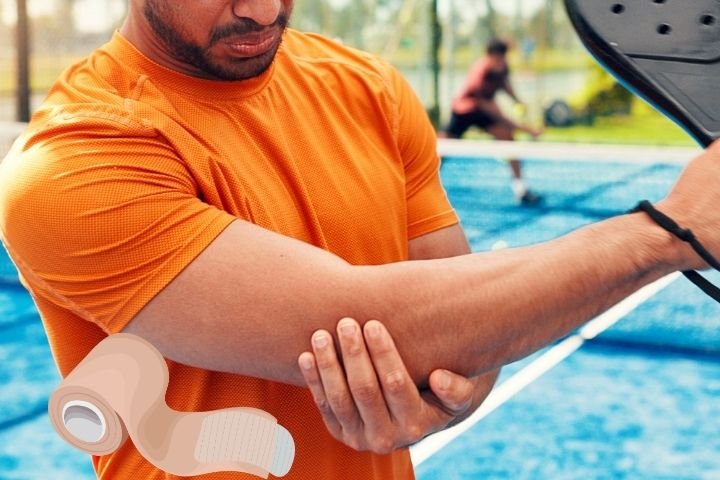
Every athlete learns this at some point. The body gives signals long before it breaks down. Tightness. A dull ache. Slight swelling that disappears after rest. Most people ignore it. Training continues. Matches go on. Then suddenly, there is an injury that forces everything to stop.
Sports injuries do not arrive without warning. They build quietly. And once they appear, recovery takes patience, discipline, and proper care. Understanding common sports injury types helps athletes protect their performance and extend their playing years. Prevention is not optional anymore. It is necessary.
This article looks at the most frequent injuries seen in athletes, how they develop and what actually works when it comes to sports injury and prevention as per specialist from best Orthopedic Hospital in Delhi
Why Athletes Get Injured More Often Than Expected
Training hard is not the problem. Training without balance is.
In many cases, injuries occur because recovery is rushed. Muscles get stronger faster than tendons. Joints take repeated stress without correction. Form slips when fatigue sets in. Over time, tissues fail.
Doctors rely on proper sports injury classification to identify whether the injury is sudden or built over time. This step matters. It decides treatment, rest duration, and the rehabilitation path.
The Main Categories of Sports Injury Classification
Sports injuries are generally grouped into two forms. Simple on paper. Important in practice.
Sudden Impact Injuries
These happen in a moment. A fall. A collision. A bad landing.
Common examples:
- Ankle sprains
- Muscle tears
- Shoulder dislocations
- Bone fractures
Immediate sports injury and first aid is critical here. Delay increases swelling and tissue damage.
Gradual Load Injuries
These injuries develop slowly. Athletes feel discomfort first, then pain later.
Examples include:
- Tendon inflammation
- Stress fractures
- Shin pain
- Knee overuse injuries
These cases demand structured sports injury and rehabilitation, not just rest.
Sports Injury Types Seen Across Different Games
Muscle Strain Injuries
Muscle strains are extremely common. Especially in sprinting, football, cricket, and gym training.
They usually happen when muscles are forced to contract suddenly or stretch beyond control.
Signs often ignored:
- Tightness that returns daily
- Mild pain during warm-up
- Reduced power output
Strength training and flexibility work reduce recurrence. Proper sports injury and prevention strategies matter more than people think.
Ligament Damage
Ligaments hold joints together. When they tear, stability suffers.
Seen often in:
- Knee ligament injuries (ACL tear, MCL)
- Ankle sprains
- Wrist ligament damage
Ligament injuries require patience. Rushing back leads to reinjury. Guided sports injury and physiotherapy improves joint control and confidence.
Tendon Injuries
Tendon pain rarely starts suddenly. It creeps in.
Athletes complain of stiffness early morning. Pain eases after movement, then returns stronger. That cycle should never be ignored.
Common tendon issues include:
- Tennis elbow
- Achilles tendon pain
- Shoulder tendon irritation
Early physiotherapy in Delhi helps prevent chronic breakdown. Sports injury and physiotherapy is not optional here.
Stress Fractures
Stress fractures develop when bones face repeated impact without enough recovery
Runners, dancers, and endurance athletes are most affected
Typical warning signs:
- Sharp pain in one spot
- Pain during activity only
- Pain that disappears at rest
Accurate diagnosis and timely sports injury treatment in Delhi can prevent full fractures.
Joint Cartilage Injuries
Joints wear down when alignment is off or strength is uneven.
Commonly affected joints:
- Knee
- Shoulder
- Hip
These injuries often require long-term sports injury and rehabilitation support. Proper care saves joints from early degeneration
Immediate Sports Injury Treatment in Delhi
Many athletes underestimate early care. That is a mistake.
Basic sports injury and first aid includes:
- Stopping activity
- Ice application
- Light compression
- Elevation
It sounds simple. It works. Ignoring early care turns small injuries into long recoveries.
Why Physiotherapy in Delhi Is Central to Recovery
Pain relief alone does not restore performance. Physiotherapy does.
Sports injury and physiotherapy focuses on:
- Muscle balance
- Joint stability
- Movement correction
- Load progression
Athletes who complete full rehab programs return stronger. Those who skip steps usually return injured again.
Rehabilitation for Healing
Rehabilitation teaches the body how to move again. Properly this time
Structured sports injury and rehabilitation programs address:
- Weak muscle groups
- Poor biomechanics
- Endurance loss
- Mental confidence
An experienced injury rehabilitation hospital in Delhi offers coordinated care, not scattered advice.
Preventing Injuries Before They Disrupt Training
Prevention is not dramatic. It is consistent.
Effective sports injury and prevention includes:
- Proper warm-ups
- Strength training for support muscles
- Adequate rest
- Listening to pain signals
Athletes who respect recovery stay active longer.
When Sports injury Treatment in Delhi is a must?
Pain lasting more than a few days needs attention. Swelling, instability or reduced range should never be ignored
Specialised sports injury treatment in Delhi provides:
- Accurate diagnosis
- Imaging support
- Individualised rehab plans
Early treatment shortens recovery time. Delayed treatment extends it. An injury rehabilitation hospital in Delhi brings together:
- Orthopaedic specialists
- Sports physicians
- Physiotherapists
- Rehabilitation experts
Every athlete relies on their body. Once injured, everything pauses. Training. Progress. Momentum.
If pain or injury is affecting your training, consider expert evaluation. Primus Super Speciality Hospital provides advanced sports injury treatment in Delhi, supported by structured rehabilitation and experienced specialists. With proper care, recovery becomes stronger than the setback.