
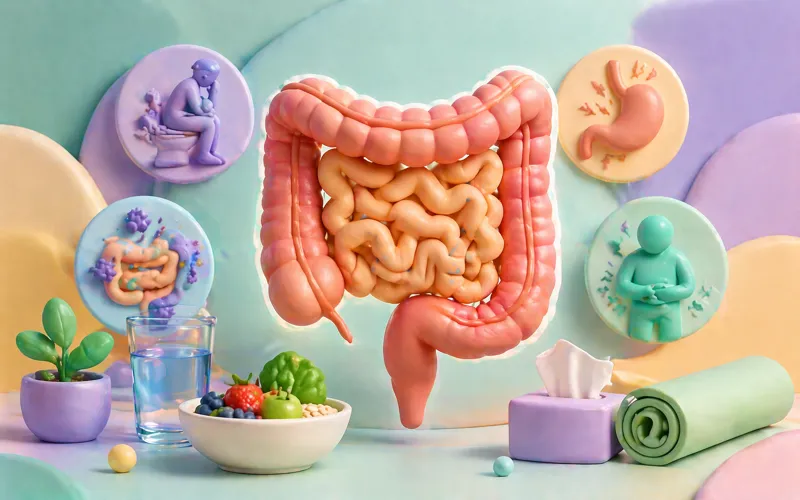
(Irritable Bowel Syndrome Explained)
If you have symptoms like bloating, abdominal discomfort, or irregular bowel habits, quite frequently, chances are that it may not be just a regular digestive issue. These symptoms could be indicators of Irritable Bowel Syndrome (IBS), a condition that impacts the digestive system.
Irritable Bowel Syndrome can have a big impact on daily comfort, bowel movements, eating habits, and overall quality of life. However, with the right understanding and care, Irritable Bowel Syndrome or IBS can be managed.
What You’ll Learn
- What IBS is and how it affects digestion
- Common symptoms to watch for
- Causes and key triggers
- When to consult a doctor
- Effective ways to manage IBS
What is Irritable Bowel Syndrome (IBS)?
IBS is a functional gastrointestinal disorder, which means that the digestive tract appears to be normal but in actuality, does not function properly.
It is closely linked to the gut-brain axis, the communication between the brain and the digestive system. People who have this syndrome, experience a sensitive connection between the gut and brain, causing the gut to overreact to everyday triggers such as food, stress, or hormonal changes.
Types of IBS
- IBS-D: Diarrhea-predominant
- IBS-C: Constipation-predominant
- IBS-M: Mixed (alternating diarrhea and constipation)
Common Symptoms of IBS
Symptoms can vary from person to person and often occur in cycles.
Key Symptoms
- Abdominal pain or cramps (often relieved after a bowel movement)
- Bloating
- Diarrhea, constipation, or both
- Excess gas
- Feeling of incomplete bowel evacuation
- Mucus in stool (in some cases)
IBS at a Glance
- Affects gut function, not structure
- Causes pain, bloating, and bowel changes
- Triggered by diet, stress, and lifestyle
- Chronic but manageable with proper care
What Causes IBS?
The exact cause of Irritable Bowel Syndrome is not fully known, but various internal conditions may cause it-
1. Gut-Brain Axis Dysfunction
Hampered communication between the brain and gut can lead to abnormal digestive functions.
2. Intestinal Motility Issues
Irregular muscle contractions can speed up or slow down digestion, leading to diarrhea or constipation.
3. Visceral Hypersensitivity
People with IBS often have heightened sensitivity in the intestines, making normal digestive functioning feel painful and uncomfortable.
4. Post-Infectious IBS
Some people develop Irritable Bowel Syndrome after a severe gastrointestinal infection.
5. Gut Microbiota Imbalance
Changes in gut bacteria may affect digestion and symptom severity.
Common Triggers of IBS
While IBS is a chronic condition, symptoms are often triggered or worsened by external factors:
1. Stress and Anxiety
Stress is one of the most common and root trigger of Irritable Bowel Syndrome and can directly impact gut function.
2. Dietary Triggers
Common foods that trigger IBS include:
- Spicy or oily foods
- Dairy products
- Caffeine
- Carbonated beverages
- High-FODMAP food
3. Hormonal Changes
Symptoms may get aggravated during menstrual cycles due to hormonal changes.
4. Irregular Eating Habits
Skipping meals or overeating can affect the digestive process.
5. Poor Sleep
Sleep disturbances may contribute to IBS symptoms.
When Should You See a Doctor?
Although IBS is not a life-threatening condition, it is however, a chronic ailment that requires consultations with specialists in the field for proper diagnosis.
Seek medical attention if you experience:
- Unexplained weight loss
- Blood in stool
- Persistent or severe abdominal pain
- Symptoms that interfere with daily life
- Fatigue or anemia
At Primus Super Speciality Hospital, evaluation focuses on accurate diagnosis while ruling out other gastrointestinal conditions making it one of the best gastroenterology hospitals.
How is IBS Diagnosed?
IBS is diagnosed based on symptoms and clinical guidelines such as the Rome IV criteria, which focus on recurring abdominal pain associated with changes in bowel habits.
Doctors may recommend:
- Blood tests
- Stool tests
- Imaging studies like colonoscopy, if required.
There is no single test for IBS. Diagnosis is based on clinical evaluation and exclusion of other conditions.
How to Manage IBS Effectively
While IBS cannot be completely cured, it can be effectively managed through lifestyle changes and proper medical care resulting in improved quality of life.
1. Dietary Changes
- Identify and avoid trigger foods
- Follow a low-FODMAP diet under medical guidance
- Eat smaller, regular meals
2. Stress Management
- Practice yoga, meditation, or breathing exercises
- Seek professional support if needed
3. Regular Exercise
Physical activity is of utmost importance & helps regulate digestion and decrease stress.
4. Hydration
Adequate water intake and staying well hydrated supports proper bowel function.
5. Medical Treatment
Doctors may prescribe medications based on symptoms, including:
- Antispasmodics
- Anti-diarrheal or laxative medications
- Probiotics
Living with IBS
Irritable Bowel Syndrome is a long-term condition, but it can be treated and controlled effectively with the right approach and care.
Maintaining a daily food and symptom diary can help identify personal triggers. With consistent care and expert guidance from specialists and well recommended gastroenterologists, most individuals can lead a comfortable and active life.
Irritable Bowel Syndrome is a common yet manageable condition. Understanding its symptoms and triggers is key to taking control of your digestive and therefore, overall health.
With timely diagnosis, lifestyle changes, and expert care, IBS symptoms can be reduced to a large extent.
At Primus Super Speciality Hospital, we have the best gastroenterologists in Delhi & our specialists provide comprehensive evaluation and indivualised treatment plans to help you manage IBS with confidence.
Book a Consultation
If you or someone you know, are experiencing ongoing digestive discomfort, do not ignore the signs.
Address: 2 Chandragupta Marg, Chanakyapuri, New Delhi – 110021
Phone: +91-11-6620 6660, +91 8800080808
Website: https://www.primushospital.com
Email: info@primushospital.com
Frequently Asked Questions (FAQs) on Irritable Bowel Syndrome (IBS)
1. What is Irritable Bowel Syndrome (IBS)?
Irritable Bowel Syndrome (IBS) is a functional gastrointestinal disorder that affects the proper functioning of the digestive system. Although the gut appears normal, its functioning changes, leading to symptoms like abdominal pain, inflammation, and irregular bowel habits.
2. What are the most common symptoms of IBS?
Common IBS symptoms include abdominal pain, bloating, diarrhoea, constipation, excess gas, and a feeling of incomplete bowel movement.
3. What triggers IBS symptoms?
IBS symptoms can be triggered by stress, certain foods (such as spicy foods, dairy, and caffeine), hormonal changes and imbalances, irregular eating habits, and inadequate sleep.