Obstructive Sleep Apnea affects an estimated 1 billion adults worldwide between the ages of 30 and 69 years, making it one of the most common sleep-related breathing disorders (source). Despite its prevalence, many individuals remain undiagnosed because symptoms often develop gradually and occur during sleep, making them easy to overlook.
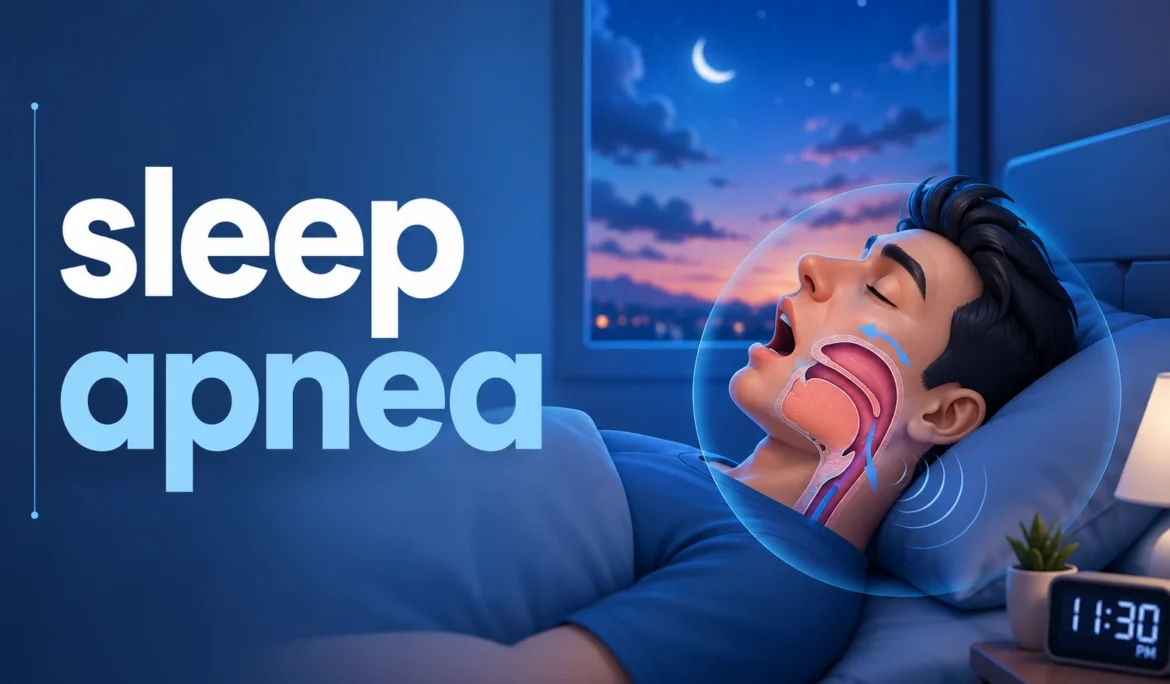
Sleep apnea is a condition in which breathing repeatedly stops and starts during sleep due to airway blockage or impaired brain signals that control breathing. These repeated interruptions reduce oxygen levels, disturb normal sleep cycles, and prevent the body from achieving restorative sleep.
Many people associate sleep apnea with loud snoring, but the condition can also cause excessive daytime sleepiness, morning headaches, fatigue, poor concentration, irritability, and reduced work performance. If left untreated, sleep apnea may increase the risk of high blood pressure, heart disease, stroke, diabetes, and other serious health complications.
Patients searching for sleep apnea meaning in Hindi, sleep apnea test options, sleep apnea at home testing, or Sleep apnea treatment in Delhi often seek answers after experiencing persistent snoring or daytime exhaustion. Early diagnosis through sleep studies and evaluation by a pulmonologist can help identify the severity of the condition and guide effective treatment.
This guide explains sleep apnea meaning, symptoms, causes, diagnosis methods, sleep apnea at home testing, treatment options, and when to seek care at a pulmonology hospital for Sleep apnea treatment in Delhi.
Sleep Apnea Meaning and Types of Sleep Apnea
Sleep apnea causes repeated pauses in breathing that may occur dozens or even hundreds of times during a single night, reducing oxygen supply and disrupting normal sleep cycles. These breathing interruptions can last for several seconds and may occur repeatedly throughout sleep, preventing the body and brain from receiving adequate oxygen.
What Is Sleep Apnea?
Sleep apnea is a disorder characterized by repeated episodes of partial or complete airway obstruction or abnormal breathing control during sleep.
These breathing interruptions can result in:
- Frequent nighttime awakenings
- Poor sleep quality
- Reduced oxygen levels
- Excessive daytime fatigue
- Difficulty concentrating
- Morning headaches
Without treatment, the condition may contribute to serious health complications over time.
Types of Sleep Apnea
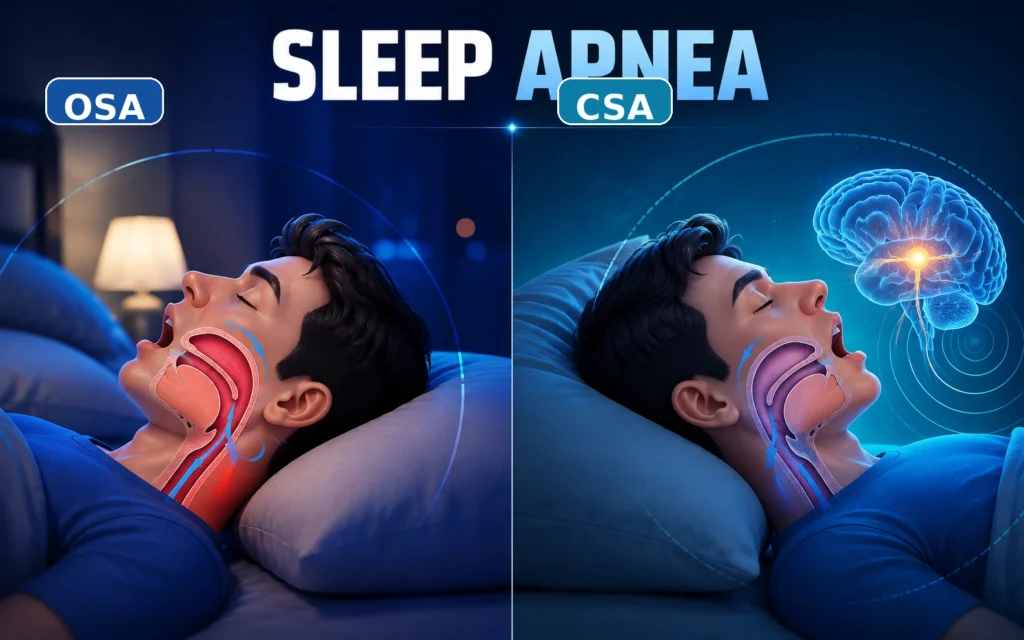
Sleep apnea is generally classified into three main categories.
Obstructive Sleep Apnea (OSA)
Obstructive Sleep Apnea is the most common type of sleep apnea.
It occurs when:
- Throat muscles relax excessively during sleep
- The upper airway becomes partially or completely blocked
- Airflow stops despite ongoing breathing effort
Common risk factors include obesity, enlarged tonsils, airway narrowing, and advancing age.
Central Sleep Apnea (CSA)
Central Sleep Apnea occurs when the brain fails to send appropriate signals to the muscles responsible for breathing.
Unlike OSA:
- The airway remains open
- Breathing effort temporarily stops
- Neurological or cardiac conditions may contribute
This form is less common but may require specialized evaluation.
Mixed Sleep Apnea
Mixed sleep apnea, also called complex sleep apnea, combines features of both obstructive and central sleep apnea.
Patients may experience:
- Airway obstruction
- Impaired breathing control
- More complicated treatment requirements
Because different types of sleep apnea require different treatment approaches, proper diagnosis through a sleep apnea test remains essential before starting therapy.
Early evaluation by a pulmonologist helps determine the type and severity of sleep apnea and guides the most appropriate treatment plan.
Sleep Apnea Symptoms, Causes, and Risk Factors
Sleep apnea affects both sleep quality and overall health by repeatedly interrupting breathing and reducing oxygen levels throughout the night.
Common Sleep Apnea Symptoms
Symptoms may vary depending on the severity of the condition.
Common warning signs include:
- Loud chronic snoring
- Gasping or choking during sleep
- Witnessed breathing pauses
- Excessive daytime sleepiness
- Morning headaches
- Dry mouth upon waking
- Difficulty concentrating
- Memory problems
- Irritability and mood changes
- Reduced work performance
Many patients also report waking up feeling unrefreshed despite sleeping for adequate hours.
What Causes Sleep Apnea?
The causes of sleep apnea differ according to the type of disorder.
In obstructive sleep apnea, breathing interruptions occur when throat muscles relax excessively during sleep, narrowing or blocking the airway.
Factors that contribute to airway obstruction include:
- Excess body weight
- Enlarged tonsils
- Large tongue
- Nasal obstruction
- Structural airway narrowing
Central sleep apnea develops when the brain temporarily fails to send appropriate breathing signals to respiratory muscles.
Major Risk Factors
Several factors increase the likelihood of developing sleep apnea.
Common risk factors include:
- Obesity
- Increasing age
- Male gender
- Family history of sleep apnea
- Smoking
- Alcohol consumption
- Sedative medication use
- High blood pressure
- Diabetes
- Heart disease
Although obesity remains one of the strongest risk factors, sleep apnea can also affect individuals with normal body weight.
Will Sleep Apnea Kill You? Understanding the Risks
Untreated sleep apnea increases the risk of high blood pressure, heart disease, stroke, irregular heart rhythms, and excessive daytime sleepiness that may contribute to road traffic and workplace accidents. While sleep apnea itself does not usually cause sudden death directly, repeated breathing interruptions and chronic oxygen deprivation can significantly increase the risk of serious health complications over time.
How Sleep Apnea Affects the Body
Each time breathing stops during sleep:
- Oxygen levels decrease
- The brain briefly awakens the body
- Heart rate fluctuates
- Blood pressure rises
- Sleep quality deteriorates
These repeated physiological changes place ongoing stress on the cardiovascular and nervous systems.
Cardiovascular Complications
One of the most concerning consequences of untreated sleep apnea is its effect on heart health.
Sleep apnea may increase the risk of:
- High blood pressure
- Coronary artery disease
- Heart attack
- Heart failure
- Atrial fibrillation and other arrhythmias
- Stroke
Patients with severe obstructive sleep apnea often experience significant fluctuations in oxygen levels throughout the night, which can contribute to cardiovascular strain.
Daytime Risks and Accidents
Excessive daytime sleepiness can impair concentration, reaction time, and decision-making abilities.
Potential consequences include:
- Motor vehicle accidents
- Workplace injuries
- Reduced productivity
- Cognitive impairment
- Poor academic or professional performance
These risks often improve after appropriate treatment.
When Sleep Apnea Becomes Dangerous
Patients should seek prompt evaluation if they experience:
- Witnessed breathing pauses during sleep
- Severe daytime fatigue
- Uncontrolled high blood pressure
- Morning headaches
- Heart rhythm abnormalities
- Worsening snoring
- Episodes of choking or gasping during sleep
Sleep Apnea Test and Diagnosis Methods
A sleep apnea test helps pulmonologists identify the type of sleep apnea, the number of breathing interruptions occurring during sleep, and the impact of oxygen deprivation on the body.
Polysomnography (Sleep Study)
Polysomnography is considered the gold standard test for diagnosing sleep apnea.
During the study, multiple parameters are monitored, including:
- Breathing patterns
- Oxygen saturation levels
- Heart rate
- Brain activity
- Eye movements
- Muscle activity
- Sleep stages
The test helps determine whether sleep apnea is mild, moderate, or severe.
Oxygen Monitoring and Respiratory Assessment
Sleep studies also evaluate how frequently oxygen levels drop during sleep and how long breathing interruptions last.
These findings help assess:
- Disease severity
- Cardiovascular risk
- Treatment requirements
- CPAP eligibility
Apnea-Hypopnea Index (AHI)
One of the most important measurements obtained during a sleep study is the Apnea-Hypopnea Index (AHI).
AHI represents:
- The number of breathing interruptions per hour of sleep
- Overall severity of sleep apnea
- Response to future treatment
Pulmonologists use AHI values to guide treatment recommendations.
Sleep Apnea Treatment in Delhi at a Pulmonology Hospital
Continuous Positive Airway Pressure (CPAP) therapy remains one of the most effective treatments for moderate to severe obstructive sleep apnea and helps maintain airway patency during sleep. However, treatment plans vary depending on the type of sleep apnea, disease severity, underlying medical conditions, and sleep study findings.
Pulmonologist in Delhi develops an individualized treatment strategy after reviewing the sleep apnea test results and overall health status of the patient.
CPAP Therapy
CPAP therapy delivers a constant flow of pressurized air through a mask worn during sleep.
Benefits of CPAP include:
- Prevention of airway collapse
- Improved oxygen levels
- Reduced snoring
- Better sleep quality
- Reduced daytime fatigue
- Lower cardiovascular risk
CPAP remains the most commonly prescribed treatment for moderate and severe obstructive sleep apnea.
BiPAP Therapy
Some patients may require Bilevel Positive Airway Pressure (BiPAP) therapy instead of CPAP.
BiPAP may be recommended for:
- Severe sleep apnea
- Central sleep apnea
- Neuromuscular disorders
- Patients who cannot tolerate CPAP
The device provides different pressure levels during inhalation and exhalation to improve comfort and breathing support.
Oral Appliance Therapy
Oral appliances are custom-made devices designed to reposition the jaw and tongue during sleep.
They may be considered for:
- Mild obstructive sleep apnea
- CPAP intolerance
- Selected anatomical airway problems
Evaluation by sleep specialists helps determine suitability.
Sleep Apnea surgery Treatment in Delhi Options
Although most patients respond well to non-surgical therapy, surgery may be considered in selected cases.
Potential surgical options include:
- Tonsillectomy
- Nasal surgery
- Uvulopalatopharyngoplasty (UPPP)
- Airway reconstruction procedures
Surgical decisions depend on the anatomical cause of airway obstruction.
Sleep apnea is a common but often underdiagnosed condition that can significantly affect sleep quality, daytime functioning, and long-term health. Early diagnosis through a sleep apnea test and timely treatment can help reduce complications, improve oxygen levels, and restore healthy sleep patterns.
Patients looking for Sleep apnea treatment in Delhi can consult the pulmonology and sleep medicine specialists at Primus Hospital for comprehensive evaluation, sleep apnea testing, and individualized treatment planning. The team provides diagnostic sleep studies, sleep apnea at home testing guidance, CPAP and BiPAP therapy support, and long-term follow-up for patients with obstructive and central sleep apnea.